41 Glenbury St, Pittsburgh, PA 15234 |

Do You Need a Permit for Water or Sewer Line Installation in Pittsburgh, PA?
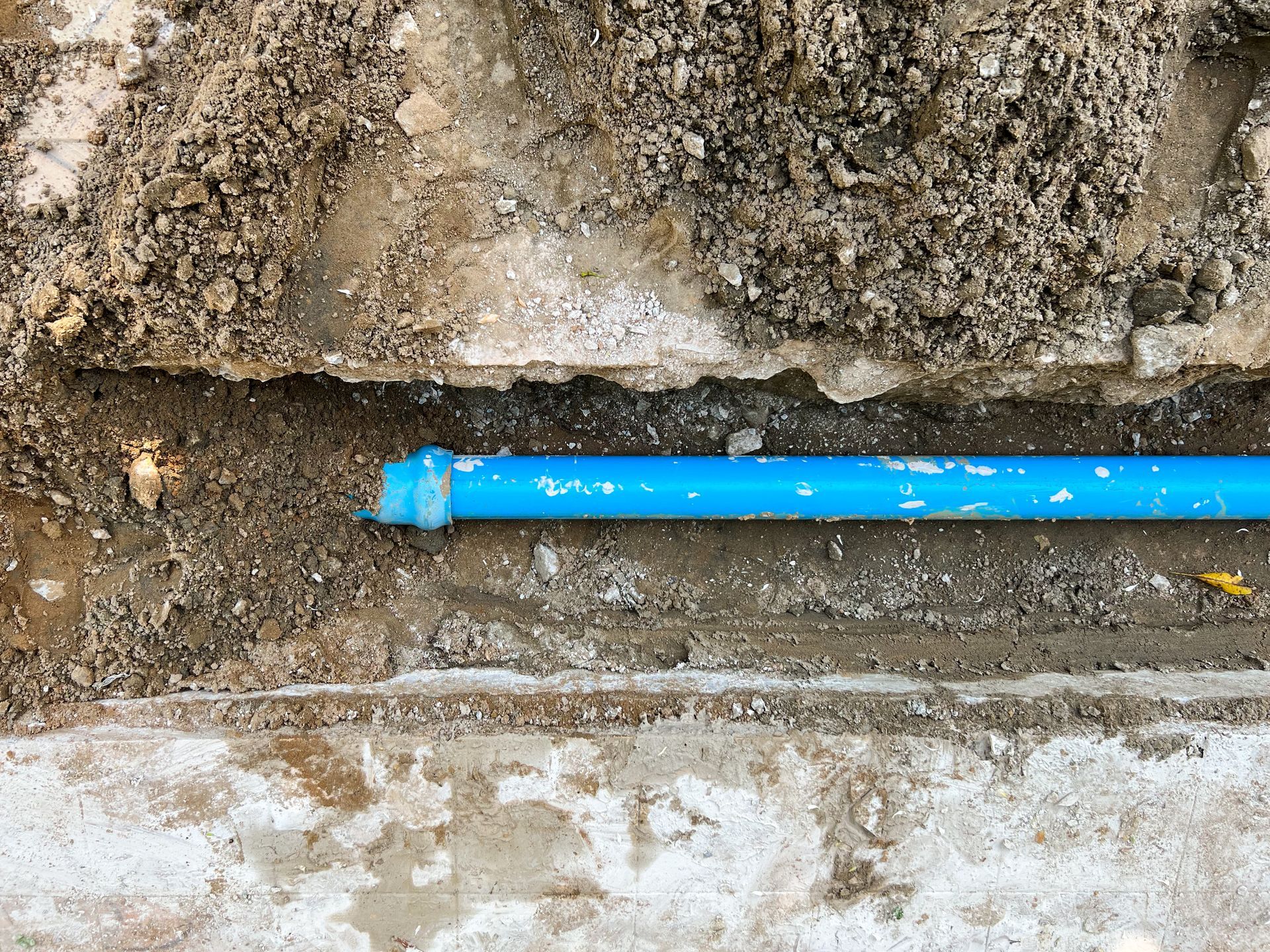
Permits for water and sewer line installation in Pittsburgh, PA, are required by multiple agencies, and skipping them can create serious problems for homeowners. Whether you are replacing an old lateral, connecting to the city main, or planning sewer line installation in Pittsburgh, PA, understanding the local permit process can save you time, money, and legal headaches.
Yes, Permits Are Required for Water and Sewer Line Work in Pittsburgh
Residential and commercial plumbing projects require a plumbing permit in Allegheny County. This applies to sewer and water line work whether the project is a new connection or a replacement of an existing line.
Under Article XV, before plumbing repairs, sewer line replacement, or construction begins, an application, plans, and specifications must be filed and a permit issued by the Allegheny County Health Department (ACHD).
Residential permits cover single-family homes requiring new water and/or sewer taps or reconnecting to an existing service. A land operations permit is also required for any project impacting Pittsburgh Water infrastructure, which requires a separate review of construction drawings. Some projects trigger requirements from both agencies simultaneously.
Who Can Pull the Permit: Contractor vs. Homeowner?
Only registered master plumbers with a current license, or the owner/occupant of an existing single-family dwelling, may apply for a plumbing permit. No other person may install, alter, or make connections with any sewer, water, drain, or pipe connected therewith.
In practice, most Pittsburgh homeowners have their licensed plumber handle the permit application. A licensed contractor knows local code, is familiar with the ACHD process, and can keep the project moving. If you pull the permit yourself as an owner-occupant, you remain responsible for ensuring all work meets code and passes inspection.
What About Pittsburgh Water's Separate Permit?
Pittsburgh Water (PWSA) handles permits for connections to its infrastructure. No tap connections will be installed or inspected before establishing an account, which is set up when permit fees are paid. The applicant is then responsible for scheduling tap installation and inspection through the field operations department.
The customer is responsible for excavation, installation, and connection of the sewer service lateral from the building to the Pittsburgh Water main, including installation of the wye. This detail often surprises homeowners during sewer line installation in Pittsburgh, PA, because many assume Pittsburgh Water handles more of the physical work than it does.
Do You Need to Call PA One Call Before Digging?
Yes, and this step is not optional. Before excavation, contractors must contact PA One Call to identify underground infrastructure. This is required by Pennsylvania law and applies to any digging related to sewer or water line work.
What the Inspection Process Looks Like
The residential permit review timeline typically runs 5 to 15 business days. Once work begins, inspections must be scheduled before covering up the work. Burying or concealing work before an inspector approves it can trigger serious enforcement action.
Pittsburgh Water and ACHD work together to approve tap-in plans. Depending on project scope, Pittsburgh Water may require an ACHD permit prior to issuing its own tap-in permit. Coordinating both agencies upfront helps avoid delays, particularly when excavation schedules are tight.
What Happens if You Skip the Permit?
Skipping the permit process carries significant consequences. Failure to obtain permits can result in a stop-work order and required retrospective permit review. Neglecting notified repairs can lead to fines and potential lien or court referral.
The financial impact may not appear until you try to sell your home. Unpermitted work can surface during a buyer's inspection or title research, requiring the work to be brought into compliance before the sale proceeds. In some cases, that means opening walls, floors, or ceilings to expose the work for inspection, and the cost of access and corrections can easily exceed what a licensed plumber would have charged originally.
Pennsylvania's real estate disclosure rules add further exposure. Sellers may be required to disclose known unpermitted work, and failure to disclose known defects creates additional legal liability beyond the transaction itself.
Pittsburgh-Specific Factors Worth Knowing
Pittsburgh's older housing stock creates unique challenges. Many sewer and stormwater pipes are 50 to 100 years old and made of brick. Homes throughout the South Hills, North Side, and Squirrel Hill neighborhoods often have aging laterals requiring full replacement rather than simple repair, making sewer line installation in Pittsburgh, PA, a more involved process than a standard spot repair.
Contractors must also follow ACHD regulations and Pennsylvania DEP Title 25, Section 109.709 when installing approved backflow prevention devices, which is especially relevant near older combined sewer areas.
If your project touches a street or public right-of-way, a separate permit from the Pittsburgh Department of Mobility and Infrastructure (DOMI) may be required for any street vacation, traffic obstruction, or street opening.
Work With a Licensed Pro Who Knows Pittsburgh's Process
Permit compliance for sewer and water line work in Pittsburgh, PA, is not optional, and coordinating multiple agencies is challenging without the right help. Michael Poremski & Son Plumbing & Heating, Inc. offers sewer and water line services throughout Greater Pittsburgh, including South Hills communities like Baldwin, Bethel Park, Pleasant Hills, and Castle Shannon. The team is certified in Allegheny County and familiar with both ACHD and Pittsburgh Water requirements.
Contact the team or call 412-885-9042 to discuss your project. You can also find Michael Poremski & Son Plumbing & Heating, Inc. on Google to read reviews and confirm service areas.